
Key Takeaways
- Muguka farming in Mbeere
- solar irrigation systems in Kenya
- solar irrigation for ASAL areas
- Embu County solar irrigation
- solar pumps vs diesel pumps
- solar surface pumps Kenya
- solar submersible pumps Kenya
- solar irrigation for Muguka farming
- solar water pumping solutions Kenya
- solar pumps for farms near rivers
- solar irrigation 500 meters from river
Muguka Farming in Mbeere: How Solar Irrigation Is Transforming Agriculture in ASAL Areas of Kenya
Introduction
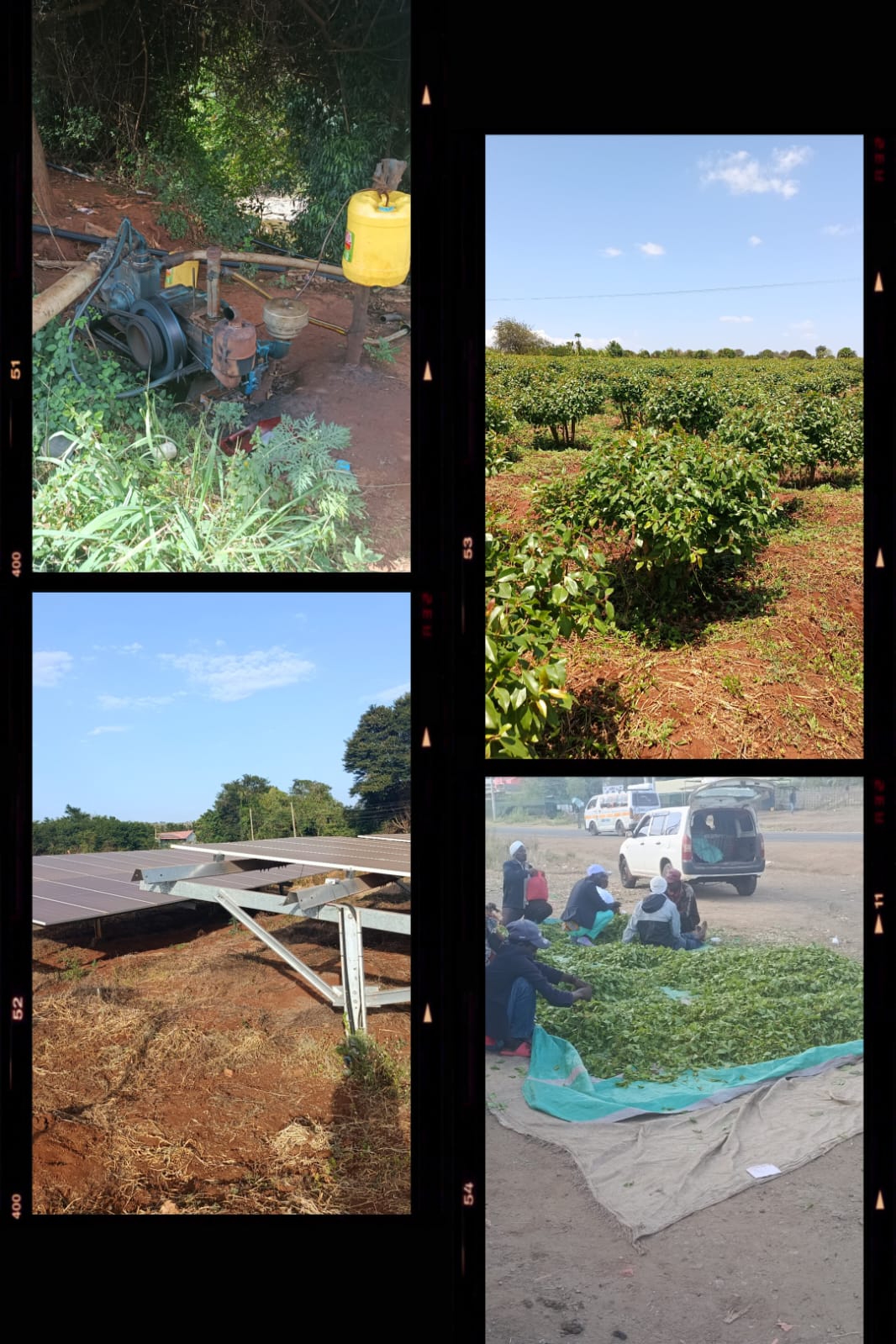
Muguka farming in Mbeere, Embu County, has become a major economic driver despite the region being classified as an arid and semi-arid area (ASAL). With sporadic rainfall and prolonged dry seasons, farmers rely heavily on irrigation from permanent rivers to sustain production. As Muguka demand continues to grow, the need for efficient, cost-effective, and sustainable irrigation systems has never been greater.
This is where solar irrigation systems in Kenya present a game-changing solution.
The Economic Importance of Muguka Farming in Mbeere
Muguka is one of the fastest-growing cash crops in Embu County due to its short harvesting cycle and consistent market demand.
Key economic benefits include:
Weekly harvesting every 7 days, ensuring steady income
Increased household earnings for small- and medium-scale farmers
Job creation in harvesting, transport, and trade
Boosted local economy across Mbeere and neighboring regions
For many farmers, Muguka has replaced unreliable rain-fed crops, making irrigation a non-negotiable requirement.
Why Muguka Farming Requires High Water Supply
Muguka cultivation demands frequent and consistent irrigation, especially in ASAL regions.
Reasons Muguka needs more water:
Continuous leaf regeneration after weekly harvests
High evapotranspiration due to hot and dry climate
Shallow root systems that dry quickly
Year-round production independent of rainfall
Without reliable irrigation, Muguka yields decline sharply—directly affecting farmers’ incomes.
Current Irrigation Practices: Diesel Pumps and Their Limitations
To sustain Muguka farming, most farmers currently rely on diesel-powered irrigation pumps, typically:
28HP diesel pumps
17.8kW impellers
65-meter pumping head
48 cubic meters per hour flow rate
While these pumps deliver water effectively, they come with serious drawbacks:
High and fluctuating fuel costs
Frequent mechanical breakdowns
Expensive maintenance and spare parts
Environmental pollution and carbon emissions
Reduced profitability as farm size increases
As farms expand and water needs increase—often over 500 meters from rivers—diesel pumps become financially unsustainable.
Health Impacts of Muguka: Benefits, Risks, and Mitigation
Muguka plays an important economic role, but its health effects must also be addressed.
Potential Benefits
Increased alertness and reduced fatigue
Temporary appetite suppression
Social and cultural significance
Potential Health Risks
Insomnia and anxiety
Elevated heart rate and blood pressure
Digestive complications
Risk of dependency with prolonged use
Mitigation Strategies
Public awareness and education on moderation
Community health outreach programs
Policy frameworks balancing economic gains and public health
Why Solar Irrigation Systems Are the Best Solution for Muguka Farmers
Replacing diesel pumps with solar water pumping solutions in Kenya offers long-term savings and sustainability.
Recommended solutions include:
☀️ 30HP solar surface pumps
☀️ 20HP solar submersible pumps
Capable of delivering equal or higher flow rates
Efficient pumping for farms 500 meters or more from rivers
Solar Pumps vs Diesel Pumps: Cost and Efficiency Comparison
Financial Advantages
Zero fuel costs after installation
Minimal maintenance requirements
Stable and predictable operating expenses
Faster return on investment (ROI)
Operational Advantages
Reliable daytime pumping using free solar energy
Reduced downtime and mechanical failures
Easy scalability as acreage expands
Environmental Advantages
Zero emissions and pollution
Protection of river ecosystems
Support for climate-smart agriculture in ASAL areas
Conclusion: Sustainable Farming Through Solar Irrigation in Embu County
Solar irrigation for Muguka farming in Mbeere is no longer an alternative—it is a necessity. As water demand increases and diesel costs continue to rise, solar-powered irrigation systems provide farmers with a reliable, affordable, and environmentally friendly solution.
At Billsons Solar, we design and install custom solar water pumping systems for ASAL regions across Kenya—helping farmers reduce costs, improve yields, and secure long-term sustainability.
About the Author
KEN BILLS
Our expert on solar technology and sustainable energy solutions, dedicated to bringing you the latest industry insights.