
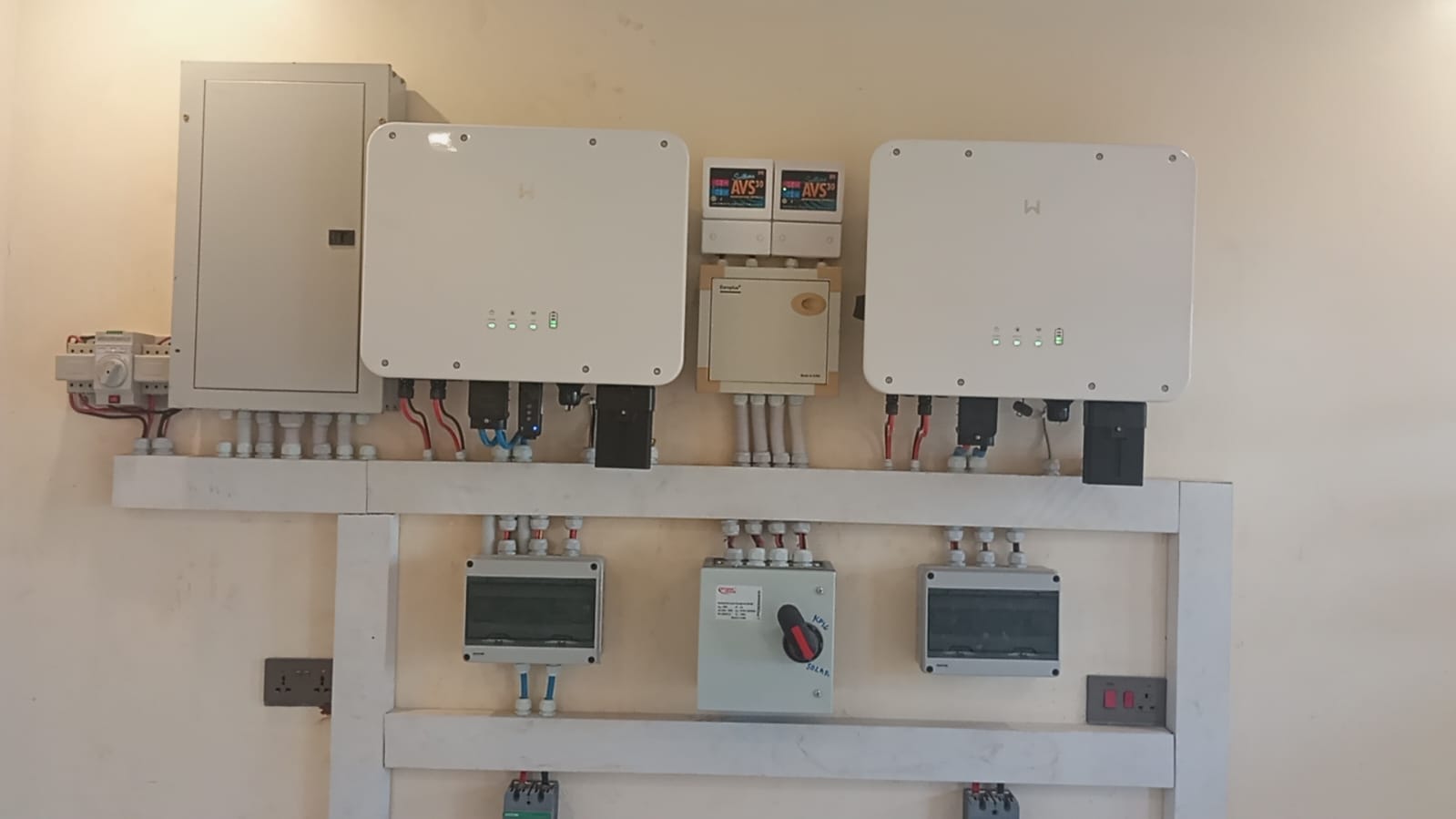
Service Details
Key Components:
Solar Panels (24kW capacity): Approximately 40-48 high-efficiency monocrystalline panels (500-600W each), generating 66-88 kWh daily, depending on sunlight (4-6 peak sun hours).
Hybrid Inverter (24kW): Manages energy flow between panels, batteries, grid, and loads, often with dual MPPT for optimal solar capture (e.g., GoodWe ET series , 15-30kW, Deye, Solis range).
Battery Storage (e.g., 40kWh LiFePO4): Stores excess solar energy for nighttime, outages, or peak demand, using reliable lithium-ion batteries (e.g., BYD/GoodWe/ Uhome/ Weco cells, 6000 cycles).
Grid Connection: Enables net metering to sell surplus power and draw grid power when needed.
Monitoring System: Wi-Fi-enabled apps (e.g., SolaX Cloud) for real-time energy tracking and management.
Benefits of a 3PH 24kW Hybrid Solar System for Hotels,Health Facilities, Petrol Stations, Farms e.t.c
Reliable Power Supply: Ensures uninterrupted operation for critical systems (e.g., medical equipment, HVAC) during outages via battery backup.
Cost Savings: Reduces electricity bills by using solar and stored energy, with potential revenue from selling excess power via net metering.
Sustainability: Lowers carbon footprint, enhancing brand image for eco-conscious guests or patients.
High Capacity: Supports heavy 3-phase loads, ideal for hotels with amenities or health facilities with medical equipment.
Scalability: Expandable with additional panels or batteries for growing energy needs (e.g., EV charging stations).
Smart Management: Advanced monitoring optimizes energy use, reducing waste and improving efficiency.
What Can a 3PH 24kW Hybrid Solar System Power?
A 24kW hybrid solar system with 40kWh battery storage generates approximately 66-88 kWh daily and can store 40kWh for use during non-sunny periods or outages.
This capacity suits the high energy demands of hotels, health facilities, Farms, Petrol Stations.
Below are examples of what it can power:
Hotels:
HVAC Systems: Multiple air conditioning units (e.g., 5-6 units at 2-3 kW each) for guest rooms, lobbies, and dining areas.
Lighting: LED lighting across guest rooms, hallways, and common areas (1-2 kW total).
Kitchen Equipment: Commercial refrigerators, ovens, and dishwashers (3-5 kW).
Water Heating: Electric water heaters or heat pumps for guest bathrooms (2-4 kW).
Elevators: Small passenger elevators (3-5 kW during operation).
Laundry Systems: Industrial washing machines and dryers (3-5 kW).
Miscellaneous: TVs, Wi-Fi routers, computers, and charging stations (1-2 kW).
Example: A mid-sized hotel with 20-30 rooms, running 4 AC units (8 kW), lighting (2 kW), kitchen appliances (4 kW), and laundry (3 kW) consumes ~40-50 kWh daily.
The system covers 80-100% of this demand, with batteries powering nighttime or peak loads.
Health Facilities:
Medical Equipment: Diagnostic machines (e.g., X-ray, ultrasound, 2-5 kW), vaccine refrigerators (0.5-1 kW), and sterilization units (1-2 kW).
HVAC and Ventilation: Air conditioning and air filtration systems for patient comfort and infection control (5-10 kW).
Lighting: High-intensity LED lights for operating rooms and clinics (1-3 kW).
Office Equipment: Computers, monitors, and communication systems (1-2 kW).
Backup Power: Critical systems during outages, ensuring continuous operation of life-saving equipment.
Example: A rural health unit with an estimated load of 20-30 kWh/day (Category III, per USAID) can be fully powered, including vaccine refrigeration, lighting, and medical equipment, with battery backup for emergencies.
Additional Capabilities:
EV Charging: Partial charging for electric vehicles (e.g., 7 kW Level 2 chargers for staff or guest vehicles).
Peak Load Management: Batteries offset peak demand charges, saving costs during high-rate periods.
Why Choose a 3PH 24kW Hybrid Solar System for Hotels and Health Facilities?
High-Power 3-Phase Support: Balances heavy loads across three phases, preventing overloads and ensuring stability for large equipment.
Energy Resilience: Critical for health facilities requiring uninterrupted power for patient care and hotels aiming for guest satisfaction.
Eco-Friendly Branding: Attracts eco-conscious guests or patients, enhancing reputation (e.g., Kudadoo Maldives uses solar for sustainability awards).
Cost-Effective: Reduces energy costs by up to 7% compared to battery-only systems, with 20% higher solar self-consumption.
Flexible Installation: Requires ~110-170 m² of roof or ground space, suitable for most commercial properties.