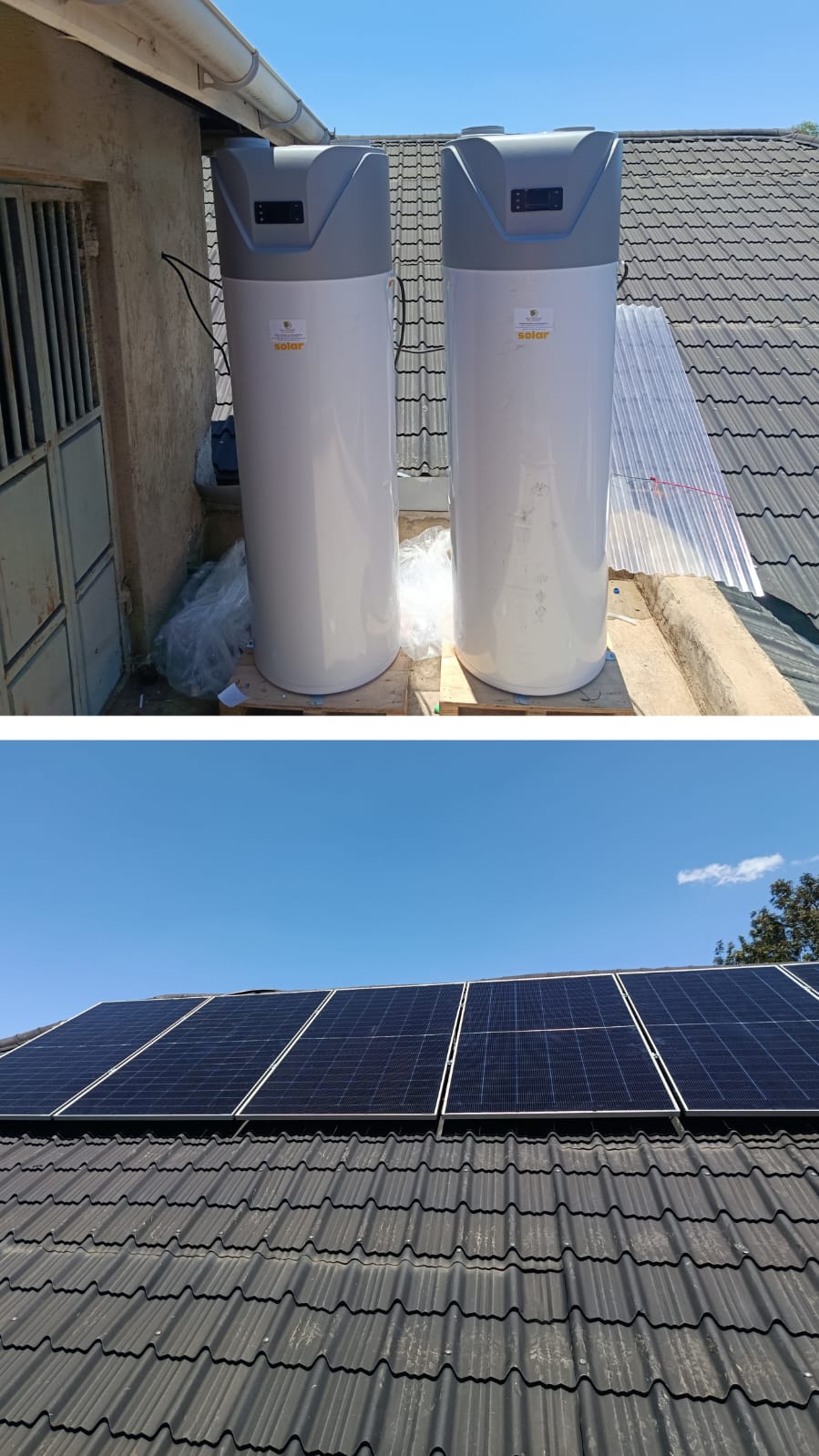
Service Details
A heat pump is a versatile, energy-efficient device that transfers heat from one location to another, providing both heating and cooling for homes or buildings. It operates using the principles of thermodynamics, moving heat rather than generating it, which makes it more efficient than traditional heating systems like furnaces or electric heaters.
Heat Extraction: The heat pump absorbs heat from a source—typically outdoor air, ground, or water—using a refrigerant, a fluid that can change states (liquid to gas) at low temperatures.
Refrigerant Circulation: The refrigerant, now carrying the absorbed heat, is compressed by a compressor, which raises its temperature.
Heat Transfer: The hot refrigerant releases its heat into the indoor space (for heating) through a heat exchanger, warming the air or water in your home.
Cooling Mode: For cooling, the process reverses. The heat pump extracts heat from indoor air and releases it outside, acting like an air conditioner.
Cycle Repeat: The refrigerant cycles back to absorb more heat, continuing the process.
This process is powered by electricity, but heat pumps use significantly less energy than traditional systems because they move heat rather than create it. The efficiency is measured by the Coefficient of Performance (COP), typically ranging from 3 to 5, meaning a heat pump can deliver 3-5 units of heat for every unit of electricity consumed.
Features of a Heat Pump
Energy Efficiency:
Heat pumps consume less electricity than traditional heaters, reducing energy bills by up to 50% compared to gas furnaces or electric resistance heating.
High COP (3-5) ensures more heat output per unit of energy input.
Dual Functionality (Heating and Cooling):
Provides both heating in winter and cooling in summer, eliminating the need for separate systems.
Reversing valve enables seamless switching between modes.
Eco-Friendly Operation:
Reduces carbon emissions by using electricity instead of fossil fuels, supporting sustainable heating solutions.
Compatible with renewable energy sources like solar power.
Types of Heat Pumps:
Air-Source Heat Pumps: Extract heat from outdoor air; ideal for moderate climates.
Ground-Source (Geothermal) Heat Pumps: Use stable ground temperatures for higher efficiency; suited for varied climates.
Water-Source Heat Pumps: Draw heat from water bodies; less common but highly efficient in specific settings.
Quiet Operation:
Modern heat pumps feature noise-reducing technologies, such as insulated compressors and variable-speed fans, ensuring minimal disturbance.
Smart Technology Integration:
Many models include smart thermostats and Wi-Fi connectivity for remote control via apps or integration with home automation systems.
Features like programmable schedules optimize energy use.
Air Quality Improvement:
Built-in air filtration systems remove dust, allergens, and pollutants, enhancing indoor air quality.
Dehumidification capabilities in cooling mode improve comfort.
Durability and Low Maintenance:
Designed for long lifespans (15-20 years for air-source, up to 50 years for geothermal systems) with minimal maintenance.
Regular filter cleaning and annual professional checkups ensure optimal performance.
Variable-Speed Compressors:
Advanced models use inverter-driven compressors to adjust output based on demand, improving efficiency and comfort.
Cold-Climate Performance:
Modern heat pumps, like those with enhanced vapor injection, operate efficiently in low temperatures (down to -15°F/-26°C), making them viable in colder regions.