
Service Details
Considerations for Solar System O&M
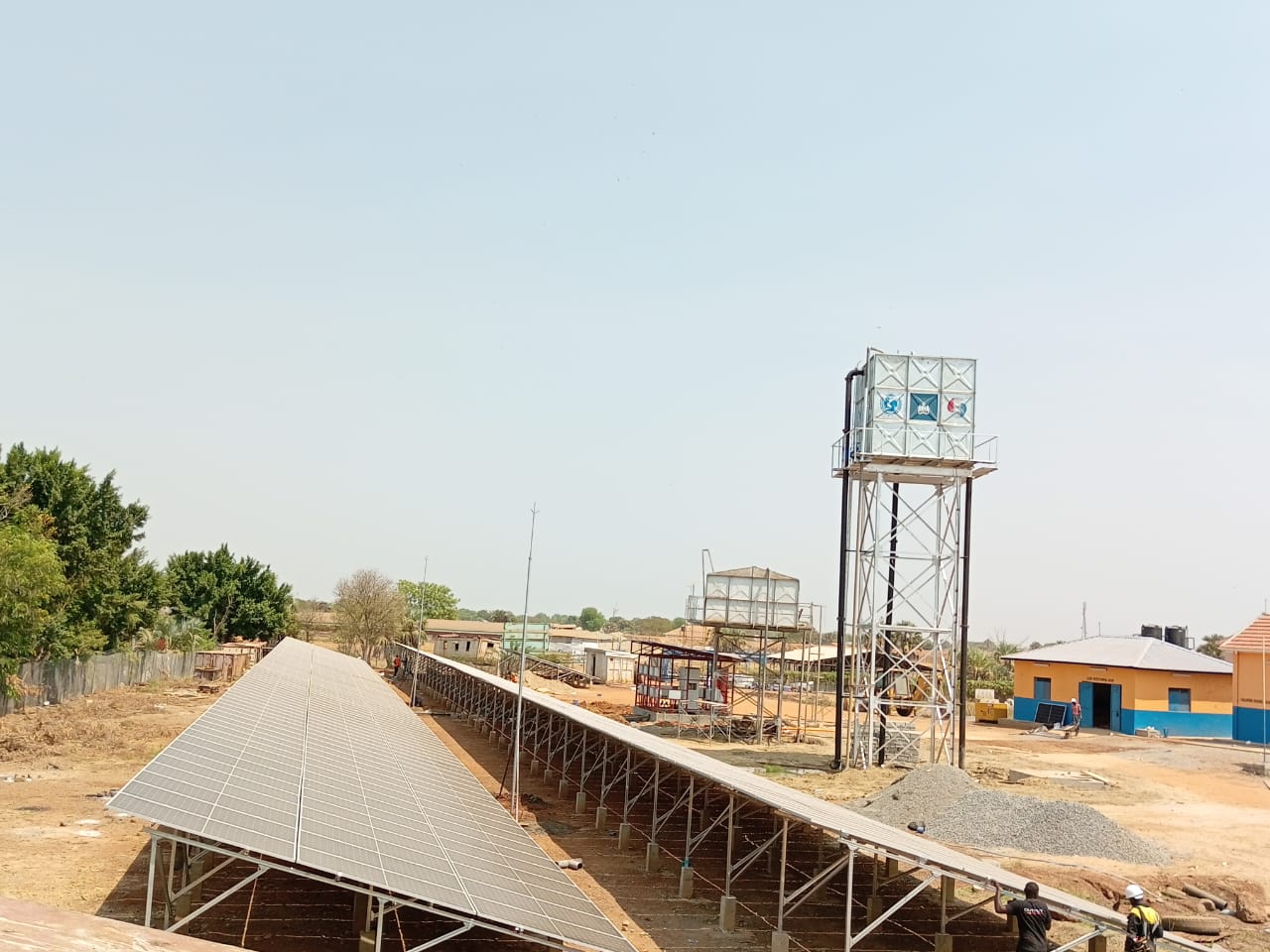
Solar Panels:
Cleaning: Use soft brushes, lukewarm water, and mild detergent to clean panels. Avoid abrasive materials to prevent scratching. In dry or dusty regions, clean every 3–6 months; in rainy areas, annual cleaning may suffice.
Inspection: Check for cracks, discoloration, or debris buildup. Ensure mounting structures are secure and free from corrosion (e.g., aluminum frames on monocrystalline panels).
Shading: Regularly trim vegetation or remove obstacles to prevent efficiency losses (e.g., a 10% shaded panel can reduce output by up to 50%).
Hybrid Inverters
Monitoring: Check for error codes on the inverter display or app (e.g., GoodWe SEMS, Deye Wi-Fi). Common issues include grid faults or overheating.
Ventilation: Ensure 300–500 mm clearance around the inverter (IP65/IP66-rated) to prevent overheating. Clean air vents to remove dust.
Firmware: Update firmware via apps to improve performance and compatibility (e.g., GoodWe OTA updates).
Batteries (e.g., GoodWe Lynx D 5.0-10, Dyness DL5.0C, BYD Battery-Box LVL 15.4):
Temperature Control: Maintain batteries within recommended ranges (e.g., 0°C to +50°C for Lynx D, -20°C to +55°C for DL5.0C). Avoid extreme heat or freezing to prevent capacity loss.
State of Charge (SOC): Keep SOC above 10% to avoid deep discharge, which can reduce cycle life (e.g., >4,000 cycles for Lynx D, >6,000 for DL5.0C).
BMS Monitoring: Use the battery’s BMS via apps (e.g., Dyness Smart App, BYD BMU) to monitor voltage, temperature, and fault alerts.
IP Rating: For IP20-rated batteries (Dyness, BYD), ensure indoor installation in dry, well-ventilated areas. For IP55-rated Lynx D, outdoor setups are viable but require protection from direct water exposure.
System Monitoring:
Use smart apps (GoodWe SEMS, Dyness Smart App, BYD BMU) to track energy production, consumption, and battery status. Set alerts for anomalies (e.g., low output, high inverter temperature).
Check export control settings to comply with local grid regulations (e.g., zero-export for Deye inverters).
Safety and Compliance:
Adhere to PAS 63100:2024 for fire safety, ensuring proper grounding and spacing from flammable materials.
Verify compliance with local standards (e.g., IEC61727, VDE-AR-N-4105) during annual inspections.
For batteries, ensure proper ventilation to prevent gas buildup (though LFP batteries like Lynx D and DL5.0C are low-risk).
Professional Maintenance:
Schedule annual servicing by certified technicians to check electrical connections, inverter performance, and battery health.
For larger systems, consider predictive maintenance using data from monitoring apps to preempt issues like cable degradation or inverter faults.
Environmental Factors:
In harsh climates (e.g., high humidity or dust), increase cleaning frequency and inspect for corrosion.
For coastal areas, use anti-corrosion coatings on mounting structures to protect against salt exposure.
Typical Maintenance Schedule:
Monthly: Check monitoring app for performance trends and alerts.
Quarterly: Visually inspect panels, inverters, and batteries for physical damage or dirt.
Semi-Annually: Clean panels and check cabling/connections.
Annually: Professional inspection of electrical systems, grounding, and firmware updates.