
Service Details
How a Solar Water Heater Works
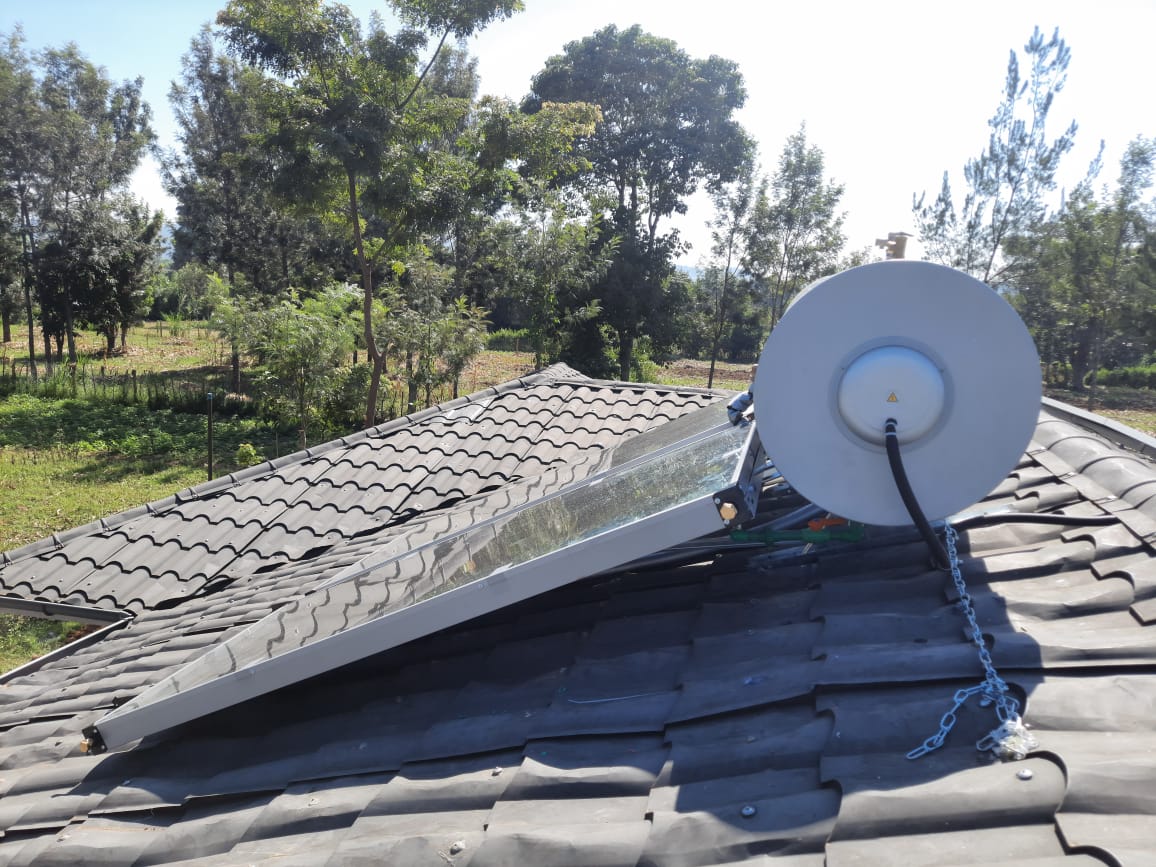
Solar water heaters operate by capturing sunlight and converting it into heat energy to warm water. The process is simple, efficient, and sustainable, making it an ideal solution for environmentally conscious households or businesses.
Solar Energy Collection:
Solar Collectors: Flat-plate or evacuated tube collectors, mounted on rooftops or open areas, absorb sunlight and convert it into heat. Flat-plate collectors are durable and cost-effective, while evacuated tubes are more efficient in colder climates.
The collectors contain a heat-absorbing surface (usually coated with a dark material) and fluid-filled tubes (water or antifreeze).
Heat Transfer:
The absorbed solar energy heats the fluid inside the collector tubes.
In active systems, a pump circulates the heated fluid to a heat exchanger in a storage tank, transferring heat to the water.
In passive systems, natural convection moves the heated water directly into the storage tank, eliminating the need for pumps.
Water Storage:
The heated water is stored in an insulated tank, similar to a conventional water heater, for use when needed.
Backup systems (electric or gas) may activate during low sunlight periods to ensure a consistent hot water supply.
Distribution:
Hot water is delivered to taps, showers, or heating systems as needed, while the system continues to collect solar energy to reheat incoming cold water.
This process leverages free solar energy, making solar water heaters highly efficient, with energy savings of 50-80% compared to traditional water heaters.Features of a Solar Water Heater
Below are key features of solar water heaters
Energy Efficiency:
Reduces electricity or gas consumption by up to 80%, lowering utility bills.
High thermal efficiency, especially in sunny regions, with systems capturing 60-80% of available solar energy.
Eco-Friendly and Sustainable:
Uses renewable solar energy, reducing carbon footprints and greenhouse gas emissions.
Aligns with green building certifications and sustainability goals.
Cost Savings:
Significant long-term savings on energy bills despite higher upfront installation costs.
Eligible for government incentives, tax credits, or rebates in many regions (e.g., U.S. federal solar tax credit).
Types of Systems:
Active Systems: Include pumps and controls for precise circulation (e.g., direct or indirect systems).
Passive Systems: Rely on natural convection (e.g., thermosiphon or integral collector storage systems), ideal for simpler setups.
Flat-Plate Collectors: Durable and cost-effective for moderate climates.
Evacuated Tube Collectors: Highly efficient, suitable for colder or cloudy regions.
Durability and Low Maintenance:
Systems are built to last 15-25 years with minimal maintenance (e.g., periodic cleaning of collectors or checking fluid levels).
Corrosion-resistant materials ensure longevity.
Backup Heating:
Integrated electric or gas backup ensures hot water availability during cloudy days or high demand.
Smart controllers optimize backup use to maintain efficiency.
Versatile Applications:
Suitable for residential, commercial, or industrial use, including homes, hotels, schools, and pools.
Can be integrated with radiant floor heating or hydronic systems for space heating.
Smart Technology:
Advanced models feature digital controllers, remote monitoring, or IoT integration for real-time performance tracking.
Temperature sensors ensure optimal water heating and energy use.
Scalability:
Systems can be sized for small households or large commercial facilities, with modular collectors to meet demand.
Weather Resilience:
Designed to withstand harsh weather, with tempered glass in collectors and antifreeze in indirect systems for freeze protection.